English
  日本語
日本語  Deutsch
  Español




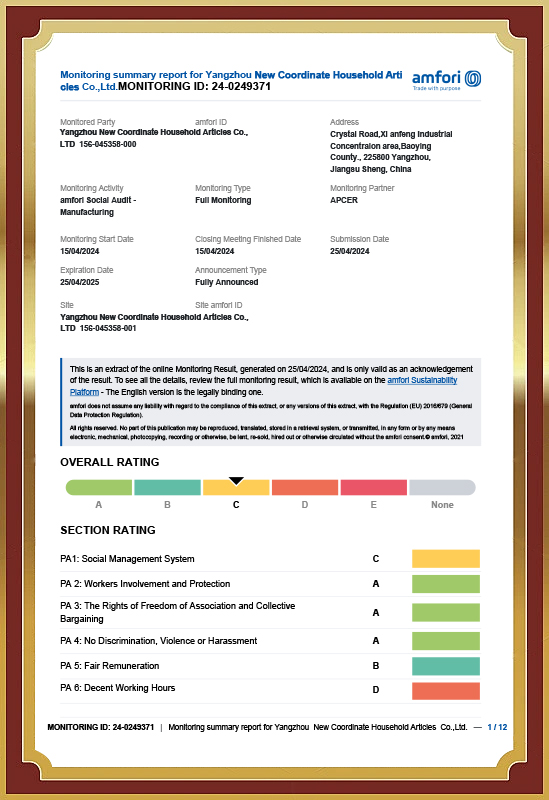
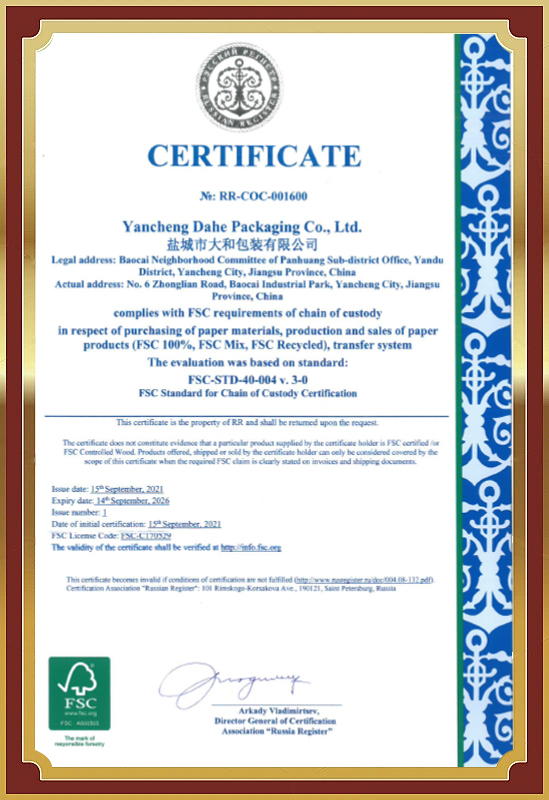

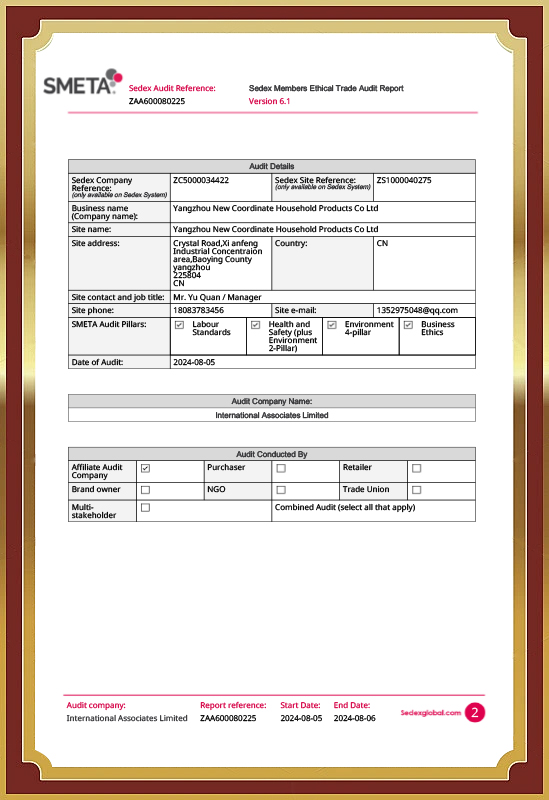

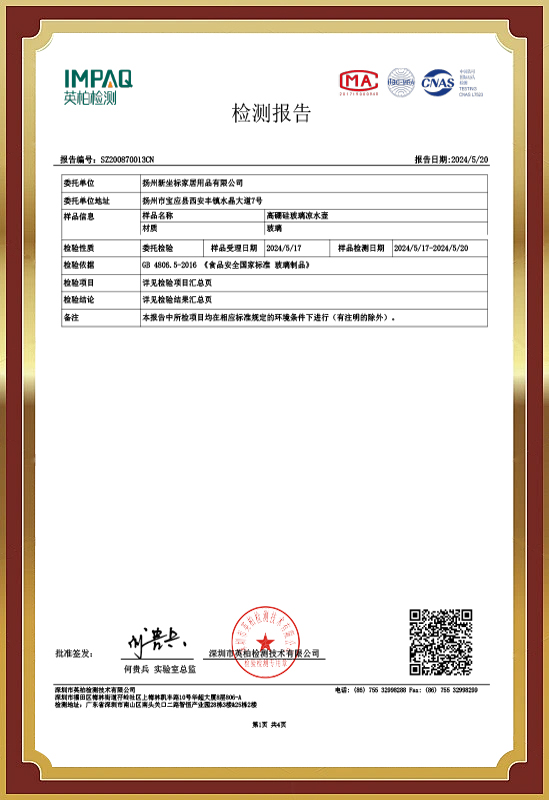
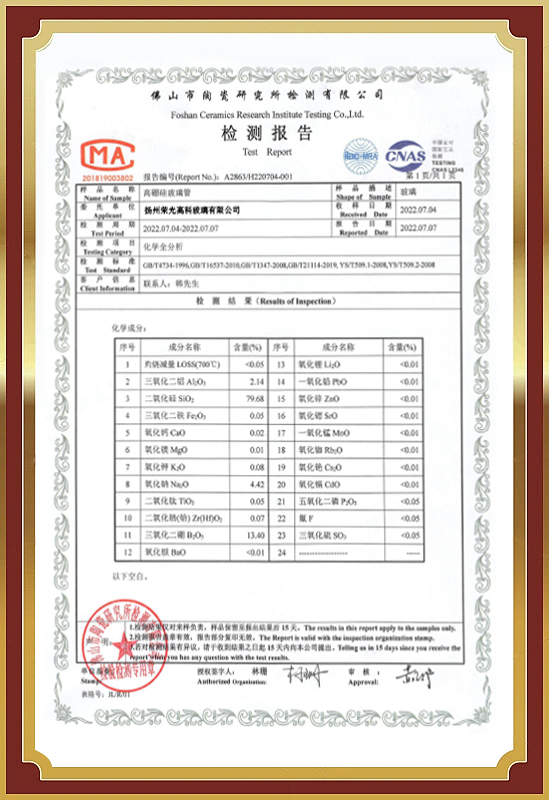
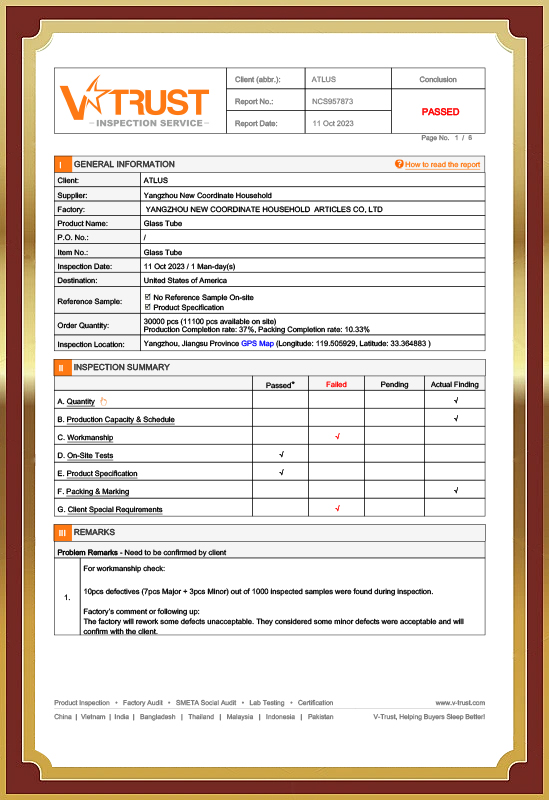
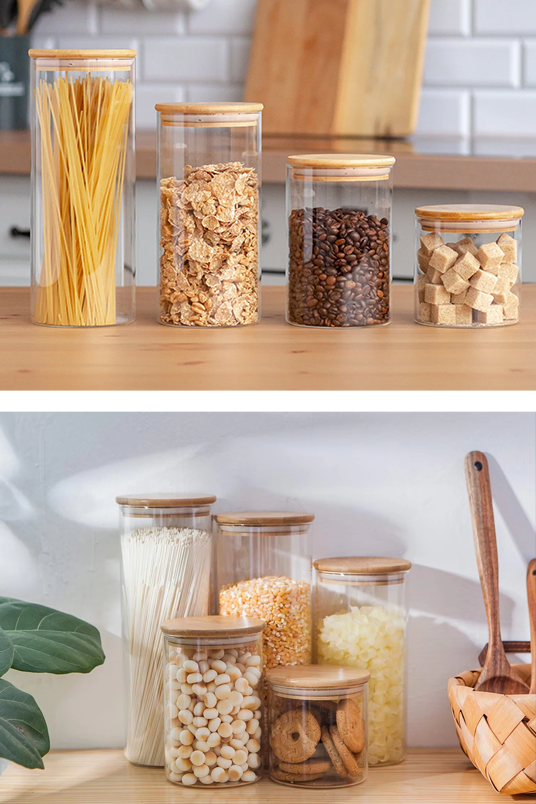
As a China OEM Glass Cups Suppliers and ODM Glass Cups Factory. Yangzhou New Coordinate Household Articles Co., Ltd, focusing on kitchen cooking utensils, storage bottles and jars kitchen storage utensils series products. Products include: sealing jars, seasoning bottles, cooler jugs, cups, bottles and other products.
The organization and management of our company are based on the modern enterprise management system. By improving the internal infrastructure, and constantly strengthen the quality management, standardization management, measurement management, statistical management, adhering to the scientific management as a prerequisite, technological progress as the basis, we continue to improve product quality and enhance competitiveness. We apply ourselves to provide our customers with the best quality and after-sales service, trying to create a bright future with our clients.
Honor of New Coordinate
Pursuing performance excellence and building a modern management team for the future
Last News
In modern home aesthetics, glass cups are not merely containers for liquids, but also carriers of light and shadow art and refined lifestyle. From the first glass of warm water in the morning to a leisurely evening drink, glass, with its clarity, purity, and stability, has always held a central position in drinking utensils.
As a seasoned player in the industry, Yangzhou New Coordinate Household Articles Co., Ltd. deeply understands the essence of glass products. We not only focus on the physical properties of the products themselves, but also strive to transform each piece of glassware into a transmitter of brand culture, endowing glass cups with unique vitality through deeply customized packaging solutions.
I. The Diverse Forms and Characteristics of Glass Materials
Glass is not a single substance; depending on its composition and manufacturing process, its texture and performance vary greatly.
High Borosilicate Glass: This is currently the preferred choice for mid-to-high-end water containers. Its extremely low coefficient of expansion allows it to withstand significant instantaneous temperature differences; even pouring boiling water directly from the freezer will not cause it to shatter. It boasts exceptional transparency and is relatively lightweight, making it a top choice for families seeking safety and quality.
Soda-lime Glass: Traditionally considered ordinary glass, primarily used in mass-produced goods. It has high hardness, good chemical stability, and is easy to process (e.g., embossing, sandblasting), making it an ideal choice for those seeking cost-effectiveness and visual diversity.
Crystal Glass: Modern crystal glass is mostly lead-free, with the addition of specific metal oxides to increase the refractive index. It produces a crisp sound when struck and has a diamond-like luster, often used for wine glasses and high-end decorative items, greatly enhancing the visual appeal of beverages.
II. The Ingenuity of Manufacturing Processes
An excellent glass is often a product of the fusion of modern industry and traditional aesthetics.
Glassblowing: Divided into hand-blown and machine-blown processes. Hand-blown glass imparts a subtle personality and dynamism to the cup, with a natural distribution of wall thickness and a warm, smooth feel; while machine-blown glass ensures a high degree of uniformity in specifications.
Pressure forming: Suitable for cups with complex embossed patterns or thick-bottom designs. Through the extrusion of a mold, the glass surface can display highly three-dimensional patterns.
Post-processing decoration: Includes gilding, decals, spray painting, and frosting. These processes not only enrich the visual language of glass but also give the originally transparent material a color space to express emotions.
III. Visual Construction of Brand Premium: Customized Packaging
In fierce market competition, the perceived quality of a glass cup is often determined by the "first impression." Yangzhou New Coordinate Household Articles Co., Ltd. believes that packaging is not just about protection but also an extension of the brand spirit.
Brand Expression: We offer customized packaging designs, utilizing the selection of paper materials and logo printing techniques (such as hot stamping and UV pressure sensitivity) to allow consumers to experience the brand's warmth the moment they open the package.
Comprehensive Protection: The fragility of glass products necessitates packaging with excellent cushioning. We combine environmentally friendly materials with precise structural design to ensure product safety during logistics.
Personalized Customization: Whether for gifting or business collaborations, our customized wrapping paper or bag solutions effectively enhance product value and achieve high-frequency brand exposure.
IV. Overview of Glass Cup Performance Comparison
The table below summarizes common glass cup classifications and their core application dimensions in daily life:
| Feature | Borosilicate Glass | Soda-Lime Glass | Lead-Free Crystal Glass |
| Thermal Shock Resistance | Excellent (Withstands temp. diff. approx. 150°C) | Moderate (Withstands temp. diff. approx. 60°C) | Low (Requires pre-heating) |
| Transparency & Clarity | Exceptional; colorless and pure | Slight greenish or bluish tint | Superior; high refractive index |
| Acoustic Resonance | Dull / Muted thud | Solid / Heavy strike | Sharp, metallic ring with long echo |
| Primary Applications | Office teaware, specialty coffee cups | Restaurant water glasses, pitchers | Wine goblets, premium whiskey decanters |
| Manufacturing Process | Mostly manual or semi-auto drawing | Fully automated mold pressing | Fine hand-blowing or high-precision machine blowing |
V. FAQ: Frequently Asked Questions and Expert Answers about Glassware
Q1: Why do some glasses appear to have "bubbles"?
During the glassmaking process, air can sometimes remain in the molten metal. For hand-blown glasses, tiny bubbles are often seen as a mark of handcraftsmanship, indicating they are not mass-produced. However, excessively large or numerous bubbles are considered a manufacturing defect and can affect the structural strength of the glass.
Q2: How to distinguish between borosilicate glass and ordinary soda-lime glass?
The simplest method is to observe their reaction under extreme temperature differences (not recommended for non-professionals). Visually, borosilicate glass is usually lighter and thinner-walled. When comparing two glasses, the bottom of the borosilicate glass is purer and more transparent, lacking the pale green or yellow hue commonly found in ordinary glass.
Q3: Can the packaging customization services offered by Yangzhou New Coordinate include specific environmentally friendly materials?
Yes. We follow global environmental trends and prioritize biodegradable paper, recycled pulp molding, and soybean ink printing in our packaging solutions. This not only aligns with the concept of sustainable development but also enhances brand recognition in the international market.
Q4: Will the surface decoration of the glass affect drinking safety?
For areas that come into direct contact with the mouth, we strictly recommend using safe and environmentally friendly materials. When assisting clients in selecting packaging and matching solutions, Yangzhou New Coordinate also considers the long-term development of the brand, advising against low-end, inferior decorative materials with excessive heavy metal content, ensuring that every sip of water is safe and worry-free.